Understanding Mold Remediation in Vancouver
In Vancouver’s damp and coastal environment, mold growth is not just a seasonal concern but a year-round issue that can significantly impact both health and property. Mold remediation is an essential service for homeowners and businesses alike, as it encompasses a systematic approach to identifying, removing, and preventing mold growth. When exploring options, Mold Remediation Vancouver provides comprehensive insights and solutions tailored to the unique needs of the region.
What is Mold Remediation?
Mold remediation involves the careful investigation, removal, and prevention of mold in any given environment. This process goes beyond mere cleaning; it includes identifying the source of moisture that causes mold to thrive, employing specialized techniques to eliminate mold colonies, and implementing strategies that ensure mold does not return.
The Importance of Professional Services
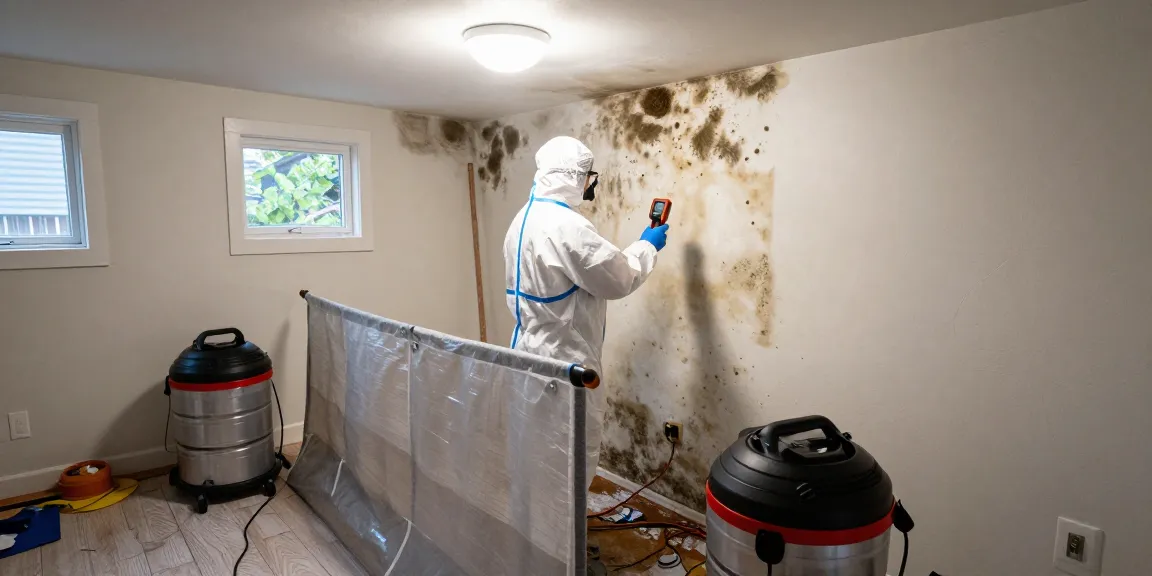
Engaging professional mold remediation services is crucial for several reasons. Firstly, certified technicians possess the expertise to identify hidden mold, which can be lurking behind drywall, under floorboards, or in attics. They are equipped with the right tools, such as HEPA filters and air scrubbers, to capture mold spores effectively, thus preventing them from spreading during the remediation process. Secondly, professionals can provide peace of mind, ensuring that the job is done right the first time and that your home is safe for re-occupancy.
Common Misconceptions About Mold Removal
One of the prevalent misconceptions is that bleach can effectively eliminate mold. While bleach can kill surface mold, it doesn’t address the underlying moisture issues that cause mold to grow and can even make the situation worse by providing a moisture-rich environment. Additionally, some people believe that a simple cleaning will suffice, but without proper containment and removal, mold can quickly return.
Identifying Mold Problems in Your Home
To effectively combat mold, it is essential to recognize the signs of its presence early. Often, the first indication of a mold problem is a persistent musty odor, which can be a telltale sign of moisture issues hidden from view.
Signs You Need Mold Remediation in Vancouver
- Visible mold growth on walls, ceilings, or floors.
- Musty smells that linger in certain areas of your home.
- Health issues like respiratory problems, allergies, or skin irritations.
- Recent water damage or leaks from plumbing, roofs, or appliances.
Common Areas Where Mold Grows
Mold is notorious for thriving in damp, dark environments. Common places where mold can be found include:
- Bathrooms: especially around showers and sinks.
- Basements: prone to moisture accumulation.
- Attics: often suffer from poor ventilation.
- Kitchens: around appliances that produce moisture, such as toasters and kettles.
Moisture Sources in Vancouver Homes
In a city like Vancouver, the humid climate combined with older building structures can create numerous moisture problems. Common sources of moisture that lead to mold growth include:
- Leaking roofs and plumbing.
- Poor ventilation in bathrooms and kitchens.
- Condensation on windows and plumbing fixtures.
- Standing water in basements or crawlspaces.
The Mold Remediation Process Explained
Understanding the mold remediation process is vital for ensuring that mold is adequately dealt with and does not return. This process typically involves several key steps.
Step-by-Step Mold Remediation Procedures
- Assessment: A thorough inspection is conducted to identify the extent of mold growth and the source of moisture.
- Containment: The affected area is isolated using physical barriers and negative air pressure techniques to prevent spores from spreading.
- Removal: Mold-infested materials are removed safely, and non-contaminated materials are cleaned.
- Filtration: HEPA air scrubbers are used to filter out mold spores from the air.
- Drying: Dehumidifiers and other equipment are used to reduce moisture levels in the environment.
- Prevention: Recommendations are provided to prevent the recurrence of mold, such as improving ventilation and waterproofing.
The Role of HEPA Filtration
HEPA (High-Efficiency Particulate Air) filtration plays a critical role in mold remediation. These filters can trap microscopic mold spores, ensuring that they do not escape into the air during the cleanup process. Using HEPA vacuums and air scrubbers helps to drastically improve indoor air quality after mold removal.
Post-Remediation Evaluation and Inspection
Once the remediation process is complete, a follow-up inspection is conducted to ensure that all mold has been effectively removed and that the moisture source has been addressed. This evaluation may include air quality testing to confirm that the environment is safe for re-occupation.
Costs and Considerations for Mold Remediation
Understanding the potential costs associated with mold remediation is essential for effective budgeting and planning. The price can vary widely based on factors such as the extent of mold growth, the size of the affected area, and the materials involved.
Factors Affecting Mold Remediation Costs
- Size of the affected area: Larger areas require more time and resources to remediate.
- Severity of the mold growth: Heavier infestations may require more extensive procedures and materials.
- Type of materials affected: Some materials are more costly to replace if they need removing.
- Accessibility of the affected area: More difficult access can increase labor costs.
Insurance and Mold Remediation Services
Many homeowners insurance policies cover mold remediation, but it’s crucial to check the specifics of your policy. Documenting the damage and obtaining a professional evaluation can help in filing a claim.
Budgeting for Mold Remediation in 2026
As we move into 2026, it is prudent to budget for mold remediation by accounting for fluctuating costs in construction materials and labor. Engaging with certified professionals will help ensure that you receive accurate estimates and that the remediation process adheres to IICRC standards.
Preventing Future Mold Growth
While effective remediation can address existing mold issues, it’s essential to implement preventive measures to avoid future occurrences. This includes controlling moisture levels and ensuring proper ventilation.
Best Practices for Moisture Control
- Regularly check and repair leaks in plumbing and roofs.
- Install dehumidifiers in high-moisture areas like basements and bathrooms.
- Ensure proper ventilation in kitchens and bathrooms.
- Use moisture-resistant materials in areas prone to dampness.
Long-Term Solutions for Mold Prevention
Consider investing in solutions that provide long-term protection against mold. This may involve installing exhaust fans, improving drainage around your property, and using anti-mold paints on interior walls.
Innovative Technologies in Mold Prevention
Emerging technologies, such as moisture monitoring systems, can help homeowners keep tabs on humidity levels, alerting them to potential issues before they become serious problems. These proactive measures can significantly reduce the likelihood of mold growth.
Frequently Asked Questions
Do I Really Need Mold Remediation?
If you suspect mold in your home, especially after water damage, it is advisable to seek professional remediation services. Mold can impact indoor air quality and lead to various health issues.
What Health Problems Can Mold Cause?
Mold exposure can lead to a variety of health problems, especially for sensitive individuals. Common issues include respiratory problems, skin rashes, and allergic reactions. In severe cases, certain types of mold, like black mold, can lead to more serious health concerns.
How Long Does Mold Remediation Take?
The timeline for mold remediation can vary significantly based on the severity of the infestation. Minor mold issues may be resolved within a few days, while extensive mold problems might take a week or longer.
Can You Clean Up Mold Yourself?
While minor mold issues can sometimes be managed with DIY solutions, it is generally recommended to hire professionals for extensive mold problems. They have the expertise and equipment to ensure complete removal and to prevent recurrence.
How Can I Prevent Mold Growth in the Future?
Preventative measures such as controlling humidity levels, ensuring proper ventilation, and addressing water leaks quickly can significantly reduce the chances of mold returning.